Preventing or alleviating any hormone imbalances through Bioidentical Hormone Therapy – from PMS to hot flashes, night sweats, weight gain, mood swings, brain fogs during a reproductive stage and perimenopause. We offer a personalised, the whole body approach, addressing symptoms while optimising your overall health.

A personalised, science-backed approach to any symptoms of menopause and postmenopause – chronic fatigue, vaginal dryness, urinary incontinence, mood changes – while preventing your body from any age-related conditons – osteoporosis, heart condition, cognitive decline – through natural, non-toxic Bioidentical Hormone Therapy (“BHRT”), science-driven supplements and mitochondria optimisation.

You are a male who is experiencing muscle mass loss, low energy, reduced libido, unwanted weight gain, or a noticeable slowdown in your metabolism with an increased stress levels ? These may all be signs of declining testosterone levels. A Testosterone Top-Up may be exactly what your body needs. Replenishing your testosterone levels boosts your energy, improves muscle strength, supports a healthy metabolism, enhances libido.

A personalised, root cause approach to heal the whole person while identifying and addressing the root causes of any condition rather than just treating symptoms of the condition – PCOS, Endometriosis, Gut Health, Brain, Skin conditions, unwanted Weight Gain etc. In addition to medical history, we take into account your lifestyle, genetics, environment, and nutrition for a preparation of a bespoke protocol especially for you.

An innovative treatment, Peptide Therapy provides numerous reliefs in any conditions associated with ageing – muscle repair, accelerated injury recovery time, promoting weight loss and lean muscle gain, increasing growth hormone production, and even helping reverse signs of sexual dysfunction. Building blocks of proteins – naturally occurring chains of amino acids – Peptides are a powerful tool for optimising health, enhancing performance, and supporting your body’s natural healing processes.











Posted onTrustindex verifies that the original source of the review is Google. je suis heureux de suivre le protocole de Medi gyn recommandé par Irina BondPosted onTrustindex verifies that the original source of the review is Google. The team was so supportive! Quick to answer questions and had so much knowledge about women’s health.Posted onTrustindex verifies that the original source of the review is Google. I’m so impressed with Medi Gyn. Even though my appointment was online, it felt thorough, caring, and easy to follow. The Dr took time to understand my complicated medical history, reviewed every test in detail, and answered all my questions with real patience. She then created a personalised protocol that actually fits my life. What really stands out is the system of care: clear explanations, practical next steps, and genuine follow-up—every message has been met with a timely, thoughtful response. In a time when many clinics don’t offer true continuity, Medi Gyn does, and it makes all the difference. Highly recommend.Posted onTrustindex verifies that the original source of the review is Google. Medi-Gyn Clinic has truly been a turning point in my health journey. For months, I was convinced — and even told by other doctors — that my symptoms were hormone-related. But Medi-Gyn took a far more precise and thoughtful approach. They were very specific about the blood tests needed before jumping to any conclusions, and once my results came back, it turned out my issue wasn’t hormonal at all. Instead of dismissing me, they referred me to one of their functional medicine doctors, and for the first time in six months, I felt genuinely heard and understood. The support, care, and clarity I received from this clinic was unlike anything I’ve experienced elsewhere. I’m so happy to have found them — and when the time does come to explore hormone therapy, I know exactly where I’ll be going. Highly, highly recommend!Posted onTrustindex verifies that the original source of the review is Google. That s the best step i ever have done i was struglling too much with my hormones i found the medi-gyn and i m so gratefull they did a good work with me i start to feel much better than beforePosted onTrustindex verifies that the original source of the review is Google. highly recommend this clinic. They are very professional and always provide excellent follow-up. Whenever I had any questions, Irina was incredibly helpful — always available, patient, and ready to solve any problems quickly. Thanks to their care and attention, I have seen great results from the treatment they provided. I will definitely continue to follow up with them in the future.Posted onTrustindex verifies that the original source of the review is Google. I started visiting Medi -Gyn for menopausal symptoms and I was lucky to have met Erina who was so well informed and equipped to understand my condition and send me to Dr Valentina for further treatment. Erina is amazing in guiding and so compassionate that you feel best hands and heart is her . Dr Valentina is highly knowledgeable and very understanding.she is with you at every step listening and guiding with the most professional advice . she is super osum Amazing place for every woman to be treated for emotional & physical treatment..highly recommendPosted onTrustindex verifies that the original source of the review is Google. I am very happy to know the Medi-Gyn center in Dubai , especially under the supervision of Irina Bond, who facilitated the communication and meetings process, and with the presence of a number of distinguished doctors, especially Dr. Ahmed , my best doctor in functional medicine, despite my presence outside the Emirates. After years of my personal efforts to improve the quality of my life and my inability to find competent healthcare in functional medicine in my place of residence, I advise all women of all ages to go to the center, even outside the Emirates, they will provide you with support once again. Thank you all.Posted onTrustindex verifies that the original source of the review is Google. It has been a truly wonderful experience visiting Medi-Gyn. The management, doctor, and nurse have been incredibly attentive and caring, paying attention to every detail. I’m glad I began my personalized treatment there, and I appreciate how they continue to monitor my progress closely and regularly. I feel confident and well taken care of with them, and I look forward to continuing my treatment with them for the long term.






Some changes do not give a warning.
There is a day when everything is fine. Then gradually, you begin to feel something wrong — some little dryness, perhaps irritability, or even pain during lovemaking. Most women do not talk openly about it. Some people will tend to overlook it or misinterpret it. Vaginal dryness is not as unusual as it may seem. And it is not a matter of social stigma. Most women experience vaginal dryness during menopause, and it is totally curable!
How it usually starts?
It starts in a subtle way for many women.
A feeling of dryness in the vagina, which was very lubricated before. Mild itching or burning. Pain during sexual intercourse that causes a break.
In the beginning, one can just sweep it away. They think maybe it’s stress. Maybe it’s temporary. But when it keeps recurring, your body is trying to communicate something.
Common symptoms to notice
Vaginal dryness does not always manifest itself in the same manner. However, there are rather obvious indications:
Other women also explain vaginal irritation as an irritation that never leaves.
So, what actually causes it?
The reason, in most instances, is one thing: hormonal imbalances.
The vaginal tissues become thinner, less elastic, and less lubricated as estrogen levels decrease. This is among the most common reasons.
It’s not limited to menopause. Conditions like PCOS, thyroid issues, or even chronic stress can affect hormone levels and lead to dryness.
Some antihistamines, antidepressants, or hormonal therapy may lower natural lubrication.
The temporary dryness can also be caused by hormonal changes that follow after childbirth.
Dehydration, smoking, or autoimmune conditions can contribute as well.
Why shouldn’t it be ignored?
It may seem like a small issue. However, in the long run, it may influence comfort, self-confidence, and even relationships. More to the point, it is frequently an indication of what is going on internally, particularly with your hormones. It is significant to tackle it at an early stage.
What actually helps?
There is no universal solution to this problem. The reason is that what works varies depending on the cause. Here are a few treatment options for vaginal dryness.
Short-term relief
Symptoms can be controlled by lubricants and moisturisers. They are beneficial, but they do not deal with the source of the problem.
Hormonal support
Hormone balance is a priority for many women. When properly directed, such alternatives as estrogen therapy for women in Dubai may assist in enhancing vaginal health, elasticity, and natural lubrication.
A deeper, root-cause approach
This is where you see the real change. Rather than merely treating the symptoms, it is better to consider the entire body — hormones, metabolism, stress, nutrition, etc. Functional medicine, peptide therapy, and personalised care plans are all based on the question of why your body is reacting in this manner.
A more comprehensive approach
Other symptoms usually associated with vaginal dryness are fatigue, mood swings, sleeping problems, or even urinary problems.
That is why treating it separately does not always work. The whole-body approach considers it as a whole and develops a plan that actually fits your body.
Medi-Gyn–Where specialised care makes a difference
At Medi-Gyn, the focus goes beyond quick fixes.
Each treatment plan is built on an understanding of your hormones, lifestyle, and overall health — not just the symptoms you’re experiencing.
Their expertise combines Bioidentical Hormone Therapy (BHRT), functional medicine, peptide therapy, and advanced diagnostics to restore balance in a natural, science-backed way.
With roots in European hormone therapy expertise and a strong presence in the UAE, they support women across different stages — from perimenopause to postmenopause and beyond.
For those exploring options like a menopause clinic in China, consulting a hormone specialist in Oman, or looking into menopause treatment in Abu Dhabi or Qatar, Medi-Gyn offers a globally accessible, personalised alternative — all from the comfort of your home.
Vaginal dryness is not something that you have to live with. What your body is asking for is not silence. And when you understand the reason behind it, the way forward becomes much clearer and much easier.
The important thing is to listen early, not after it starts affecting your comfort or confidence. Small symptoms often carry bigger messages. And when you address them at the root, everything begins to shift — not just physically, but emotionally as well.
You deserve to feel comfortable in your own body again. You deserve ease, confidence, and a sense of normalcy in everyday moments, including intimacy.
The most common cause is a drop in estrogen levels, especially during menopause. Hormonal imbalances, stress, medications, and lifestyle factors can also contribute
.
Common symptoms include dryness, itching, burning, pain during intercourse, and discomfort during urination.
Yes, it can occur at any age due to hormonal imbalances, PCOS, thyroid issues, stress, or certain medications.
Yes, reduced lubrication can lead to discomfort, pain, and even minor bleeding during or after intercourse.
Treatment options include:
Yes, hormone therapy such as estrogen or BHRT can restore vaginal health, improve elasticity, and increase natural lubrication.
In some cases, temporary dryness (e.g., postpartum) may improve. However, persistent symptoms usually require proper treatment.
If left untreated, it can affect comfort, intimacy, confidence, and may indicate underlying hormonal imbalances.
If symptoms are ongoing, worsening, or affecting your daily life or relationships, you should consult a hormone specialist.
The best approach is personalized care that addresses the root cause, including hormone therapy, lifestyle adjustments, and advanced treatments tailored to your body.
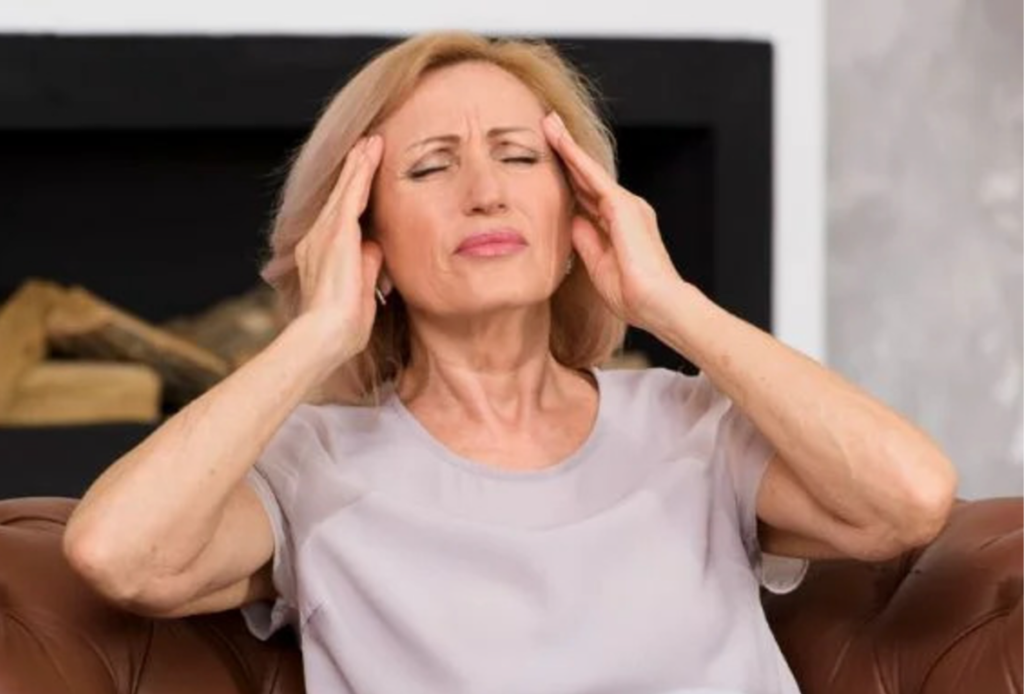
Some mornings just feel heavier than others.
You wake up, stretch your legs, and something is not right. Perhaps it is your back, or your knees, or even your shoulders. It is not sharp pain—it is just a constant, nagging discomfort that suddenly appears.
If this has been occurring with increased frequency recently, then menopause might be playing a larger role than you have imagined.
Symptoms That You May Encounter
Menopause-related aches don’t always show up the same way for everyone, which is why they can be confusing.
To some women, it is stiffness in the joints, particularly in the mornings. Others experience muscle pains despite not engaging in a lot of physical tasks.
It can also be accompanied by:
To make everything worse, fatigue, insomnia, and lack of energy are close companions to aches during menopause that make everything feel deeper than it may be.
Some days are fine. On other days, your body simply does not cooperate.
What’s Causing All This?
The hormonal change is the base factor! As the estrogen levels have a steep decline during the menopause stage, your body begins to react in very small but noticeable ways.
Estrogen helps keep joints flexible and supports muscle health. When it declines, stiffness and inflammation begin to show up.
The effect of insomnia (poor sleep) worsens the situation. Night sweats and hormone level swings may disrupt sleep, and once your body fails to rest, your pain becomes even worse the following day.
It is not one single factor—it is a combination:
What Can Actually Help?
Being told to simply “manage it” can feel frustrating.
Yes, small steps do help. Light exercise, stretching, and staying active in simple ways can relieve stiffness. Maintaining a healthy diet and drinking plenty of water supports your body more than you might think.
However, sometimes—even after doing everything right—the pain does not entirely disappear.
The reason is that hormonal imbalance, the root cause still remains.
And this is where treatment needs to take an extra step.
Another Way of Thinking About Treatment
Conventional methods often focus on quick solutions such as painkillers, simple supplements, or general advice. While these may help in the short term, they do not always address why your body feels this way.
At Medi-Gyn, the approach is more comprehensive.
They do not just look at symptoms. They assess the entire hormonal and metabolic picture—what is changing, what is out of balance, and how your body is adapting to it.
The Difference That Hormone Therapy Makes
Hormone Therapy Dubai and Hormone Replacement Therapy in the UAE are treatments that aim to replenish what your body is slowly losing.
With Bio-Identical Hormone Therapy in Dubai, bio-identical hormones (biologically identical to the original hormones and of plant origin) compensate for hormone deficiency during menopause. This allows your system to respond more easily, without being forced into a reaction.
When women opt for BHRT Treatment in Dubai, they often notice that it is not just the aches that improve. Sleep becomes deeper, energy improves, and that constant feeling of tiredness begins to fade.
This care extends across regions as well—whether it is BHRT Treatment in Abu Dhabi, BHRT Treatment in Oman, or BHRT Treatment in Saudi Arabia—the focus remains on individualized care.
More Than Just Hormones
What sets Medi-Gyn apart is that treatment does not stop at hormones.
They bring in functional medicine—looking at how your body is nourished, how it responds to stress, and how your gut functions. They connect the dots instead of addressing one issue at a time.
Another advanced layer is peptide therapy, which supports your body at a cellular level—helping with repair, recovery, and overall vitality.
So, when exploring Menopause Treatment in Dubai, Menopause Treatment in Qatar, or Menopause Treatment in Abu Dhabi, it is worth understanding that care today can be far more personalized and holistic than before.
Care That Fits Into Your Life
Another aspect women appreciate is the ease of access.
Medi-Gyn offers online consultations, allowing you to connect with hormone specialists wherever you are—whether in the Middle East or other parts of the world, such as China.
You are guided by experienced doctors who specialize in hormone health, using evidence-based approaches delivered in a way that feels personal and supportive.
You’re Allowed to Feel Better
Aches and pains during menopause are very common—but they do not have to be silently accepted. Your body is adjusting, but it still deserves the right support at this stage.
With the right approach—one that looks beyond symptoms and addresses the root cause—you can begin to feel lighter and more at ease in your own body.
And sometimes, that shift begins simply by understanding what your body has been trying to tell you all along.
Menopause-related aches are mainly caused by a decline in estrogen levels. Estrogen helps maintain joint flexibility and muscle health, so when it drops, stiffness, inflammation, and discomfort can occur.
Women may experience:
Symptoms can fluctuate due to hormonal changes, poor sleep, fatigue, and stress. Night sweats and insomnia can make pain feel more intense the next day.
Yes, simple lifestyle habits can help, including:
However, these may not completely eliminate the pain if hormonal imbalance persists.
Painkillers and supplements often provide temporary relief but do not address the root cause, which is hormonal imbalance.
Hormone Replacement Therapy helps restore declining hormone levels during menopause, improving symptoms such as joint pain, fatigue, and sleep disturbances.
BHRT uses hormones that are biologically identical to those naturally produced by the body. These plant-derived hormones help the body respond more naturally and effectively to hormonal changes.
Many women report:
Reduced fatigue
No. A comprehensive approach may include:
This ensures a more holistic and personalized treatment plan.
Yes, many clinics offer online consultations, allowing you to connect with hormone specialists from anywhere in the world.
Yes, they are very common. However, they should not be ignored or simply endured—proper treatment can significantly improve your quality of life.
If aches are persistent, affecting your daily activities, or worsening over time, it’s advisable to consult a specialist to explore targeted treatments.

There is an idea that many women keep throughout their lives.
When I eat clean, work out, manage stress, and use supplements, my hormones will balance themselves naturally.
It sounds right. It feels responsible.
But it’s not the full picture.
And here is where most women are confused, particularly in menopause or perimenopause.
The Truth About Hormones
Your lifestyle matters. A lot. Your foundations are good food, better sleep, movement, and stress control. They help your body on a daily basis.
But here’s the honest part: They help support hormone health, but they do not replace hormones your body no longer produces.
Think of it this way.
No, clean eating cannot restore ovarian activity if your body no longer produces enough estrogen.
What really happens during menopause?
Let’s keep this simple.
Estrogen levels tend to range from 100 to 250 pg/mL before menopause.
It decreases to approximately 10 pg/mL after menopause.
That’s not a small dip. That is a main biological transition.
And it isn’t because of your habits.
This occurs due to decreased hormone production by the ovaries.
So you may be doing everything right, you still need a medical support for your body other than lifestyle.
Will Supplements Alone be Sufficient?
There is another misconception among women who suffer from menopausal discomforts are taking supplements can improve your physical and mental disturbances. They can enhance energy, support metabolism, and even suppress the symptoms.
But, here is the fact. Please go through this. It makes pure sense!
Supplements do not behave like your natural hormones. They do not bind to receptors in the same way. They do not replenish the hormone levels that your body once had. Then how can they help you come of the actual hormone imbalance during menopause?
Thus, when the symptoms seem more intense, like the hot flushes, the mood swings, the poor sleep, the brain fog, it is likely that your body is demanding more than supplements and lifestyle changes.
This Is Where BHRT Changes the Game
This is where the Bioidentical Hormone Replacement Therapy comes in.
Relief of symptoms is not the only concern at Medi-Gyn, a reputable menopause clinic in Dubai. It is about getting back on track in a natural manner, so that the body feels familiar and comfortable.
BHRT in Dubai uses hormones identical in structure to those produced by your body (which are of plant origin). Instead of pushing the change, BHRT restores your normal hormone levels.
And the difference?
It can be such a relief to have yourself back.
Are hormone imbalances related only to Menopause?
Even though you hear a lot about Hormone imbalances related to menopause, theydoesn’t only show up in menopause. A lot many women all over the world are trying to find a way out of PCOS, thyroid issues, PMS, or even chronic fatigue. The key reason behind all these health issues are hormonal imbalances.
That’s why Medi-Gyn takes a broader approach—combining functional medicine, advanced diagnostics, and personalised care.
Their programs are not one-size-fits-all.
Everything starts with understanding your body.
What Makes Medi-Gyn Different?
This isn’t just another clinic.
Medi-Gyn brings European hormone expertise, inspired by the legacy of the Hertoghe method—focused on longevity, balance, and prevention.
Here’s what you can expect:
And the best part?
It’s all accessible online—wherever you are.
A Global Approach to Hormone Health @ Medi-Gyn
Whether you’re exploring BHRT treatment in China, looking for a menopause specialist in China, or even seeking options like BHRT Oman, the approach remains consistent:
Medi-Gyn helps women around the world with high-tech hormone care, regardless of borders.
What about options like Peptides?
You may have heard about newer solutions, such as peptides—especially for early hormonal changes.
When used correctly, some of the best peptides for perimenopause can support sleep, metabolism, and tissue repair. But again, they are not replacements for hormones.
In cases of significant deficiency, they work best alongside a well-designed hormone therapy plan—not instead of it.
So, Do You Need Hormone Therapy?
Not everyone does.
It often helps many women who have persistent symptoms despite their attempts at doing everything right.
When your body can no longer produce hormones at desired levels, it is always helpful to support it naturally through quality BHRT in Dubai.
A More Supportive, Honest Approach
There is no lifestyle vs. treatment when it comes to hormone health.
It is about making the two work together in a manner that really works with you. Eat well. Move your body. Take care of your mind. And then hear as well when your body requires more.
Medi-Gyn has been excelling in BHRT for menopause, supporting women from all over the world. They aim to restore hormone balance naturally through a whole-body approach, addressing the root cause. Rather than focusing on symptom relief, they focus on overall well-being through evidence-based medicines, peptide therapy, functional medicine, BHRT, and a lot more! Consultations are available online throughout the Middle East and in China. They have been doing excellent, consistent work with a patient-centric approach, supported by an authentic team behind them.
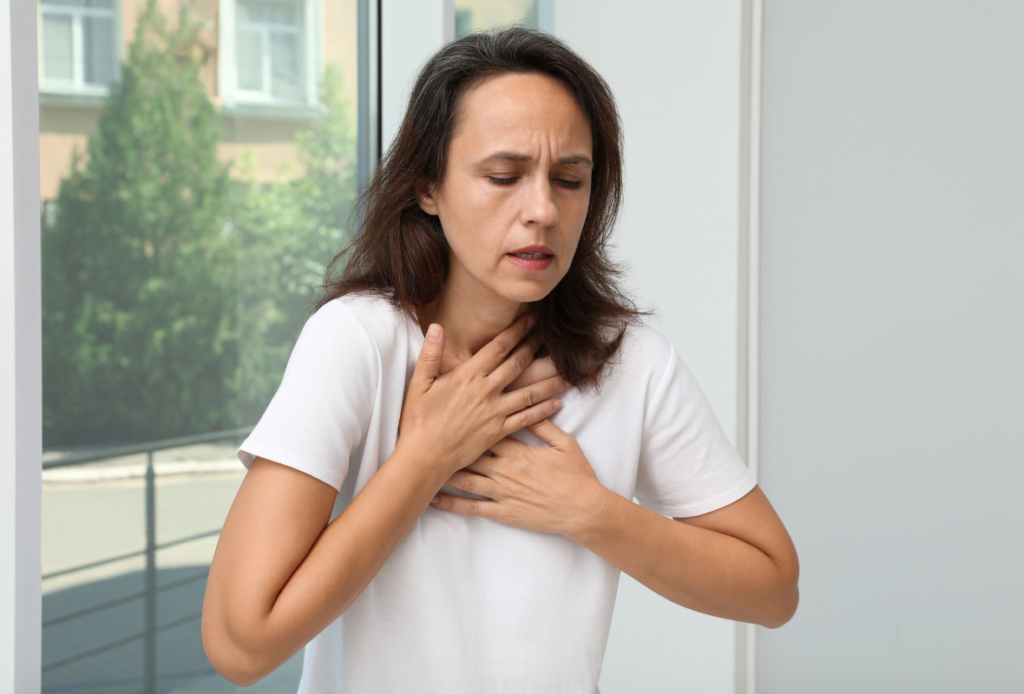
Did you ever have a pause in conversation in the middle of a sentence? To get a breath of relief? It can feel strange and a little unsettling, too. Are you in a menopause period? Do you have irregular cycles, hot flashes, or night sweats?
Shortness of breath is also a frequent occurrence among many women experiencing menopause at unexpected times, such as when climbing stairs, walking a few feet, or even resting.
It’s one of those symptoms that doesn’t get talked about enough.
Let’s break it down in a simple way.
What does breathlessness during menopause feel like?
It can be as simple as a feeling that you do not breathe as easily as you did so far. You might feel like taking deeper breaths… or feel your chest tighten.
In other women, it is accompanied by anxiety. May women feel breathless, just like that, no other symptoms.
And the first question, of course, is—why is this happening now?
Why does menopause cause breathlessness?
The main reason? Hormonal changes.
As estrogen levels drop, your body goes through several adjustments. And yes, your lungs and breathing patterns are part of that shift too.
Here are a few common causes:
Estrogen plays an important role in how your body controls breathing. At low Estrogen levels, you feel like you have a little breathing problem. It’s subtle—but noticeable.
Menopause may be an emotional high and low. Tight chest and shallow breath are often linked to anxiety.
Lung capacity decreases as we age. Menopause can make this more obvious.
Hormones also affect heart health. Therefore, variations in hormone levels may occasionally manifest as breathlessness.
Even the slightest changes in weight or energy can make breathing feel heavier than usual.
It’s rarely just one reason. In the majority of cases, it is a combination of things.
When should you pay attention?
A little breathlessness now and then can be part of the transition.
But when it feels frequent or intense, it’s worth a medical check-up.
Especially if you notice:
In such cases, don’t ignore it. Listen to your body and take steps to keep yourself healthy and comfortable.
How can you manage breathlessness during menopause?
In modern times, when medicine has made tremendous progress and personalized approaches yield significant results, you have effective ways to manage breathlessness and focus on your overall wellness.
Many women find a clarity on the situation when they understand the facts behind hormone level fluctuations and imbalances during the menopause period.
At Medi-Gyn, one of the major online Hormone Health and Regenerative Medicine centres in Dubai, the emphasis is not only on the symptoms but also on the cause.
They do not guess but examine your hormonal profile.
They determine what is really going on in your body through high-tech diagnostics, such as blood tests and functional medicine methods.
Medi-Gyn adheres to Dr. Hertoghe’s hormone approach, which aims to restore balance through bioidentical hormones (plant-derived, identical to the hormones in the body), micronutrients, and custom care.
The goal isn’t just relief. It is making you feel yourself once more.
Even minor steps are beneficial:
A few minutes a day will help to make breathing easier.
Every woman’s body responds differently.
That’s why Medi-Gyn offers tailored 2-month programmes for menopause, hormone balancing, and longevity.
It usually starts with a quick 15-minute consultation. From there, a full plan is created based on your symptoms, lifestyle, and test results.
Their approach combines conventional medicine with functional and integrative care—so nothing is overlooked.
Why are many women from all over the world choosing Medi-Gyn?
That is why women in the UAE, Kuwait, Saudi Arabia, Oman, Qatar, and even in China are rushing to Medi-Gyn.
It’s simple. Everything is designed to work around your life.
From consultation to diagnosis to receiving your personalised protocol and supplements—everything is handled online, with global delivery support.
You’re guided at every step. Not rushed. Not confused.
Just clear, thoughtful care.
A quick word before you move on
Menopausal breathlessness is initially frightening.
However, once you know what is behind it, things begin to fall into place.
And it is controllable.
Sometimes all one needs is the proper encouragement and a closer examination of what your body is requesting.
Yes, breathlessness can occur during menopause due to hormonal fluctuations, especially declining estrogen levels. While common, it is often overlooked compared to other symptoms like hot flashes.
It may feel like difficulty taking a deep breath, chest tightness, or sudden shortness of breath—even during light activity or rest. Some women also experience it alongside anxiety.
Estrogen plays a role in regulating breathing and lung function. When levels drop during menopause, it can affect breathing patterns, making you feel breathless.
Yes, menopause-related anxiety or panic episodes can lead to shallow breathing, chest tightness, and a feeling of breathlessness.
You should seek medical advice if breathlessness is frequent, severe, or accompanied by symptoms like chest pain, dizziness, or rapid heartbeat.
In some cases, hormone therapies like Bioidentical Hormone Replacement Therapy (BHRT) may help reduce symptoms by restoring hormonal balance.
Simple lifestyle changes can help, including:
Yes, even slight weight gain can put extra pressure on the lungs and make breathing feel more difficult.
Doctors may recommend blood tests, hormone profiling, or heart and lung evaluations to rule out other causes and understand your condition better.
Yes, with the right approach—combining medical treatment, hormone balancing, and lifestyle changes—breathlessness can be managed effectively.

You fall asleep feeling fine. And the next moment you are awake — hot, restless, and drenched in sweat.
Most women facing the brunt of menopause are very familiar with this moment. Night sweats make good sleep a frustrating and exhausting experience. One minute you feel comfortable, and the next moment you are throwing the blanket off, switching on the fan, or even changing clothes in the middle of the night.
One of the most typical symptoms of menopause and peri-menopause is night sweats. Many ladies around the world believe that all these are inevitable during the menopause stage. But that is not the fact! They can be brought under control, and your nights can return to normal.
Now, what is really going on and what can you do about it?
Night Sweats During Menopause: The Causes
The onset of night sweats typically coincides with changes in hormone levels.
When women reach menopause, the body secretes less estrogen and progesterone. Beyond influencing the reproductive system, these hormones also help regulate body temperature.
As the hormone levels change, the temperature control center of the brain becomes more sensitive. The slightest fluctuation in body temperature feels like a sudden heat wave. The body responds to cool down: blood vessels dilate, the body attempts to cool, and sweating begins.
This will manifest as a hot flash during the day. During the night, it turns into night sweats. Some other women go through mild episodes. Others wake up several times in a night.
In the long run, sleep deprivation leads to exhaustion, negative moods, irritability, and inability to concentrate.
Night Sweats during Menopause: Some effective lifestyle modifications
Small adjustments in daily habits can make a surprising difference.
These steps may not eliminate night sweats, but they often reduce their intensity.
When Night Sweats Start Affecting Your Daily Life
When night sweats start affecting your daily life, lifestyle changes alone might not be enough. When you struggle with night steps every night, it disturbs your sleep, and you feel exhausted. Hormone changes during menopause vary from person to person. Everyone would respond differently, and that is why a personalised approach can be the best.
Understanding the root cause of the imbalance can make a big difference in treatment.
Long-Term Solution of Hormone Balancing
One of the most effective ways to address severe night sweats is restoring hormonal balance.
At Medi-Gyn, one of the top online hormone health and regenerative medicine centers in Dubai, the emphasis is not only on symptoms. The aim is to understand what is going on in the body and rectify the imbalance at its source.
Their approach combines advanced genomic and functional medicine diagnostics with evidence-based care. Instead of a one-size-fits-all plan, each woman receives a treatment strategy designed specifically for her body.
The treatment plan usually includes bioidentical hormone therapy, micronutrient support, and lifestyle guidance. These, taken together, help stabilise hormone levels, which can go a long way toward reducing symptoms such as night sweats, hot flashes, fatigue, and mood changes.
Accessible Support to Women Around the World
One unique aspect of Medi-Gyn is that consultations happen online.
Expert hormone care is available to women in the UAE, Kuwait, Saudi Arabia, Oman, Qatar, and China. Personalised diagnostics to treatment guidance are all made convenient and accessible.
The clinic also offers global delivery of wellness and regenerative medicine products, making the continuous care of patients across various regions easier.
This accessibility is a significant milestone towards reclaiming their health for most women.
Menopause Period? You can easily sleep peacefully again!
Night sweats can be so overwhelming, but they do not have to take over your life.
The initial step towards relief is usually to understand the hormonal changes that are occurring in your body. Through proper guidance, favourable lifestyle choices, and personalized hormone balancing, most women can ease the symptoms and eventually sleep peacefully again!
Menopause is a natural stage — and it is not necessary to go through it alone.
With the right support and a personalised approach to hormone balance, comfortable nights and energetic mornings can absolutely become part of your routine again.
Hormonal Imbalance
PCOS often involves higher levels of,
Such hormonal changes influence ovulation, metabolism, skin health, and even mood.
Genetic and Lifestyle Factors
The onset and development of PCOS can also be affected by family history, chronic stress, poor sleep, as well as some eating habits.
This is why the treatment of PCOS can hardly be one-pill-only. It normally involves examining the entire system.
Why Many Women Struggle with Traditional PCOS Treatment?
Most women learn about the existence of PCOS when they make their visits to the doctor due to irregular menstruation or fertility issues. Traditional care usually focuses on symptom control. Not all women can find a solution to the problem through this approach, although it might work in some cases.
That’s where a functional and integrative approach to hormone health can make a meaningful difference.
Instead of only masking symptoms, this approach looks deeper into hormonal patterns, metabolic function, gut health, and lifestyle factors.
A Functional Medicine Approach to PCOS Treatment
A growing number of hormone health specialists in Dubai now focus on root-cause medicine when treating PCOS.
Instead of a one-size-fits-all solution, they aim to study each woman’s hormone profile.
It typically starts with a comprehensive set of advanced diagnostic measures, such as blood tests and functional medicine evaluations that assess hormonal levels, metabolic markers, and overall health.
Based on the results, a personalized treatment plan can be developed.
At leading hormone health centers such as Medi-Gyn in Dubai, the focus is on combining functional medicine diagnostics, regenerative medicine, and evidence-based therapies to restore hormonal balance.
Treatment of PCOS can include the following:
Every woman’s body responds differently, so treatment plans are tailored to each woman. A comprehensive programme may include several elements working together.
Hormone Balancing Therapies
In some scenarios, medical experts can prescribe <a href=”https://medi-gyn.com/”>bioidentical hormone therapy (BHRT)</a> to assist in the restoration of natural hormone balance. These hormones are structurally similar to those produced in the body.
It is not merely to suppress the symptoms, but rather to restore the efficiency of your endocrine system.
Gut and Metabolic Support
Most PCOS women also have gut health problems or metabolic problems. Digestive support and enhancement of metabolic activity may have a significant effect on hormonal regulation.
Guidelines can involve:
Dietary Supplements and Peptide Therapy
Micronutrient deficiencies usually characterize hormonal disorders. Supplements from expert professionals help maintain insulin sensitivity, reduce inflammation, and support hormone production.
Some programmes may also include peptide therapy or biohacking techniques designed to optimise cellular function and energy levels.
Nutrition and Lifestyle Recommendations
Lifestyle modification is a potent contributor to managing PCOS.
In most cases, a fact-based plan can help with,
These adjustments often help improve symptoms naturally over time.
A Personalised PCOS Care Journey with Medi-Gyn
One of the most important aspects of modern PCOS treatment is ongoing support.
Rather than a single appointment, many hormone health programmes offer a structured journey that includes:
Gradually, you start feeling the changes one by one. We assure you that you will feel good and happy when you stick to our treatment plans.
Moving Forward with Confidence
Living with PCOS can feel frustrating, especially when symptoms affect energy levels, weight, mood, or fertility. But the condition is manageable, and many women see remarkable improvements once the underlying hormonal imbalances are addressed.
With the right combination of advanced diagnostics, personalised hormone therapy, nutritional support, and lifestyle guidance, it is possible to restore balance and reclaim your wellbeing.
Centres like Medi-Gyn in Dubai, inspired by the European Dr. Hertoghe hormone therapy philosophy, focus on helping women optimise hormonal health, vitality, and long-term wellness through personalised functional medicine programmes.
Are you not in Dubai? We offer online consultations as well as direct consultations in Kuwait, saudi, Oman, Qatar, China, and Dubai.
Because when hormones return to balance, everything else in the body begins to follow.
Book a consultation now!
Bioidentical Hormone Replacement Therapy (BHRT) is a treatment that uses hormones identical to those naturally produced by the human body. It helps restore hormonal balance, reducing symptoms like fatigue, weight gain, mood swings, and low libido.
Hormone balancing therapy is recommended for people experiencing hormonal imbalances due to aging, menopause, andropause, thyroid disorders, stress, or metabolic issues.
Common symptoms include fatigue, weight gain, sleep problems, brain fog, mood swings, low libido, hair thinning, hot flashes, and difficulty concentrating.
BHRT is considered safe when prescribed and monitored by experienced hormone specialists. Treatment plans are personalized based on blood tests and hormone level assessments.
Most patients begin to notice improvements in energy, sleep, and mood within 3 to 6 weeks, while full hormone balance may take 3 to 6 months depending on the individual.
Hormone therapy can balance hormones such as estrogen, progesterone, testosterone, thyroid hormones, cortisol, and DHEA.
Doctors usually perform comprehensive blood tests, hormone panels, and metabolic assessments before designing a personalized treatment plan.
Yes. Men experiencing low testosterone (andropause) may benefit from hormone therapy to improve energy, muscle mass, mood, and sexual health.
Yes. BHRT is commonly used to treat menopause symptoms such as hot flashes, night sweats, mood changes, vaginal dryness, and sleep disturbances.
Medi-Gyn offers personalized hormone diagnostics, expert medical supervision, and advanced BHRT treatments, providing safe and tailored solutions to restore hormonal health and improve quality of life.
Error: Contact form not found.