
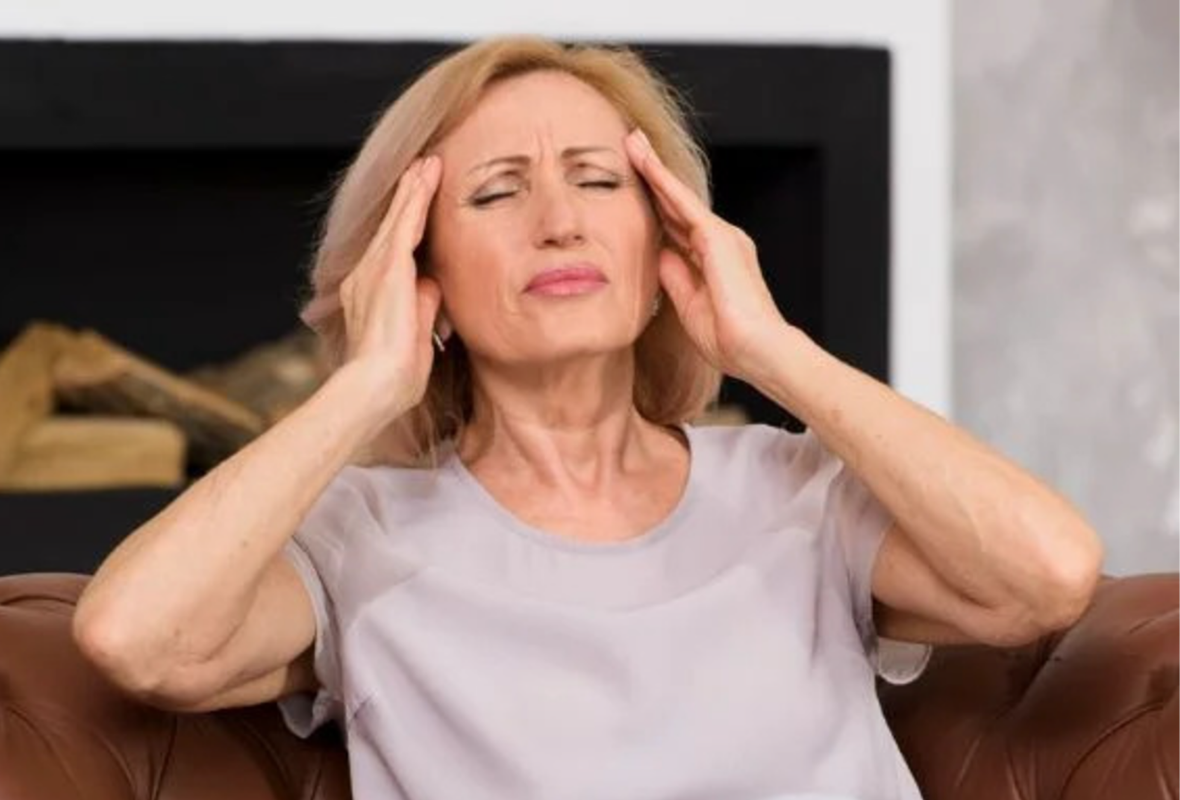
Some mornings just feel heavier than others.
You wake up, stretch your legs, and something is not right. Perhaps it is your back, or your knees, or even your shoulders. It is not sharp pain—it is just a constant, nagging discomfort that suddenly appears.
If this has been occurring with increased frequency recently, then menopause might be playing a larger role than you have imagined.
Symptoms That You May Encounter
Menopause-related aches don’t always show up the same way for everyone, which is why they can be confusing.
To some women, it is stiffness in the joints, particularly in the mornings. Others experience muscle pains despite not engaging in a lot of physical tasks.
It can also be accompanied by:
To make everything worse, fatigue, insomnia, and lack of energy are close companions to aches during menopause that make everything feel deeper than it may be.
Some days are fine. On other days, your body simply does not cooperate.
What’s Causing All This?
The hormonal change is the base factor! As the estrogen levels have a steep decline during the menopause stage, your body begins to react in very small but noticeable ways.
Estrogen helps keep joints flexible and supports muscle health. When it declines, stiffness and inflammation begin to show up.
The effect of insomnia (poor sleep) worsens the situation. Night sweats and hormone level swings may disrupt sleep, and once your body fails to rest, your pain becomes even worse the following day.
It is not one single factor—it is a combination:
What Can Actually Help?
Being told to simply “manage it” can feel frustrating.
Yes, small steps do help. Light exercise, stretching, and staying active in simple ways can relieve stiffness. Maintaining a healthy diet and drinking plenty of water supports your body more than you might think.
However, sometimes—even after doing everything right—the pain does not entirely disappear.
The reason is that hormonal imbalance, the root cause still remains.
And this is where treatment needs to take an extra step.
Another Way of Thinking About Treatment
Conventional methods often focus on quick solutions such as painkillers, simple supplements, or general advice. While these may help in the short term, they do not always address why your body feels this way.
At Medi-Gyn, the approach is more comprehensive.
They do not just look at symptoms. They assess the entire hormonal and metabolic picture—what is changing, what is out of balance, and how your body is adapting to it.
The Difference That Hormone Therapy Makes
Hormone Therapy Dubai and Hormone Replacement Therapy in the UAE are treatments that aim to replenish what your body is slowly losing.
With Bio-Identical Hormone Therapy in Dubai, bio-identical hormones (biologically identical to the original hormones and of plant origin) compensate for hormone deficiency during menopause. This allows your system to respond more easily, without being forced into a reaction.
When women opt for BHRT Treatment in Dubai, they often notice that it is not just the aches that improve. Sleep becomes deeper, energy improves, and that constant feeling of tiredness begins to fade.
This care extends across regions as well—whether it is BHRT Treatment in Abu Dhabi, BHRT Treatment in Oman, or BHRT Treatment in Saudi Arabia—the focus remains on individualized care.
More Than Just Hormones
What sets Medi-Gyn apart is that treatment does not stop at hormones.
They bring in functional medicine—looking at how your body is nourished, how it responds to stress, and how your gut functions. They connect the dots instead of addressing one issue at a time.
Another advanced layer is peptide therapy, which supports your body at a cellular level—helping with repair, recovery, and overall vitality.
So, when exploring Menopause Treatment in Dubai, Menopause Treatment in Qatar, or Menopause Treatment in Abu Dhabi, it is worth understanding that care today can be far more personalized and holistic than before.
Care That Fits Into Your Life
Another aspect women appreciate is the ease of access.
Medi-Gyn offers online consultations, allowing you to connect with hormone specialists wherever you are—whether in the Middle East or other parts of the world, such as China.
You are guided by experienced doctors who specialize in hormone health, using evidence-based approaches delivered in a way that feels personal and supportive.
You’re Allowed to Feel Better
Aches and pains during menopause are very common—but they do not have to be silently accepted. Your body is adjusting, but it still deserves the right support at this stage.
With the right approach—one that looks beyond symptoms and addresses the root cause—you can begin to feel lighter and more at ease in your own body.
And sometimes, that shift begins simply by understanding what your body has been trying to tell you all along.
Menopause-related aches are mainly caused by a decline in estrogen levels. Estrogen helps maintain joint flexibility and muscle health, so when it drops, stiffness, inflammation, and discomfort can occur.
Women may experience:
Symptoms can fluctuate due to hormonal changes, poor sleep, fatigue, and stress. Night sweats and insomnia can make pain feel more intense the next day.
Yes, simple lifestyle habits can help, including:
However, these may not completely eliminate the pain if hormonal imbalance persists.
Painkillers and supplements often provide temporary relief but do not address the root cause, which is hormonal imbalance.
Hormone Replacement Therapy helps restore declining hormone levels during menopause, improving symptoms such as joint pain, fatigue, and sleep disturbances.
BHRT uses hormones that are biologically identical to those naturally produced by the body. These plant-derived hormones help the body respond more naturally and effectively to hormonal changes.
Many women report:
Reduced fatigue
No. A comprehensive approach may include:
This ensures a more holistic and personalized treatment plan.
Yes, many clinics offer online consultations, allowing you to connect with hormone specialists from anywhere in the world.
Yes, they are very common. However, they should not be ignored or simply endured—proper treatment can significantly improve your quality of life.
If aches are persistent, affecting your daily activities, or worsening over time, it’s advisable to consult a specialist to explore targeted treatments.
Error: Contact form not found.


