
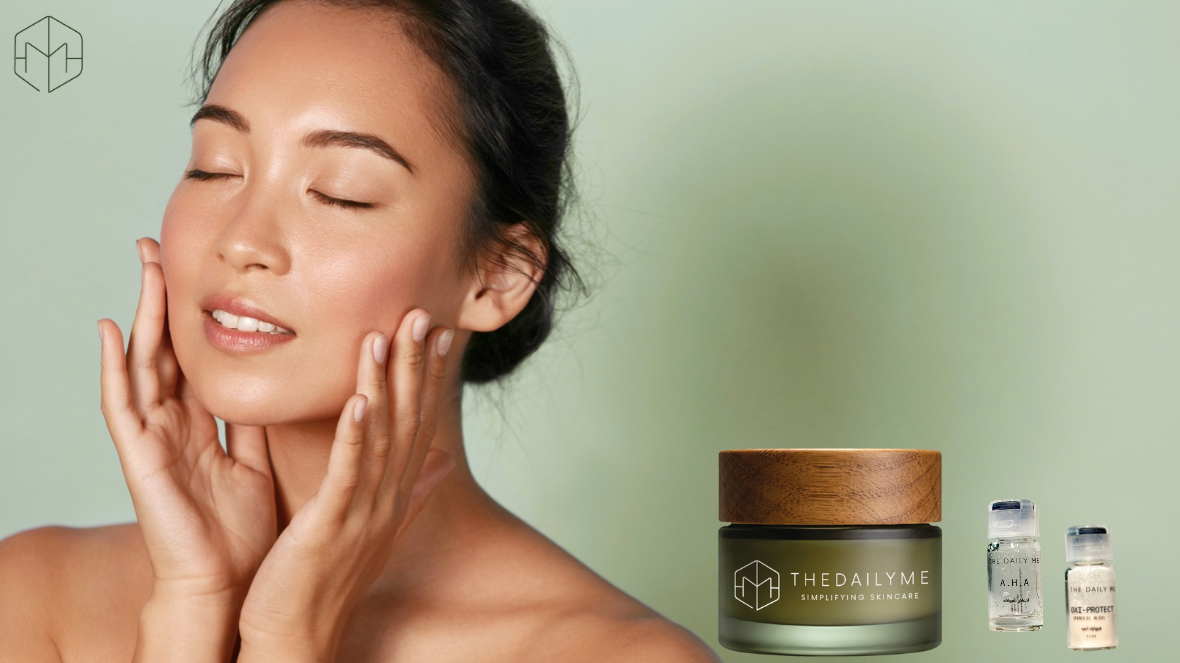
Estrogen, our main female hormone, is not just about sexual health. It plays a part in a whole host of other functions in the body, including the skin and hair. As your estrogen levels change, so will your skin and hair.
If you’ve noticed your skin becoming drier, thinner and less resilient, or your hair suddenly feeling finer at the crown, you’re looking at a physiological shift happening deep inside your body.
Visible ageing is often put down to sun damage and stress, but the principal internal regulator of female skin and hair vitality is estrogen. The very architecture of your skin and hair follicles changes as estrogen levels shift through premenopause, perimenopause and menopause.
How Estrogen Protects Your Skin & Hair Follicles
Estrogen binds to its receptors (ER-alpha and ER-beta), which are found in the dermal fibroblasts, oil glands, blood vessels and hair follicles. When estrogen levels are optimal, it actively regulates:
- Collagen & elastin synthesis: signals the fibroblasts to produce Types I and III collagen for firmness and elasticity.
- Deep hydration: stimulates natural hyaluronic acid and ceramide production to hydrate the skin and lock in moisture.
- Microcirculation: supports the delivery of nutrients and oxygen to both the skin cells and the hair roots.
- Hair growth cycles: keeps hair follicles in the active growth phase (anagen phase) for longer, which leads to thicker, fuller hair.
Estrogen Shifts Across Your Three Hormonal Stages
Estrogen does not drop overnight. This table shows how it changes over time:
| Hormonal stage | Typical age | What estrogen is doing | Primary skin & hair impact |
|---|---|---|---|
| Premenopause | 30s – early 40s | Regular monthly cycles, with subtle early dips in the luteal phase | Early fine lines, mild dehydration, cyclical jawline breakouts |
| Perimenopause | Late 30s – 40s | Erratic spikes and sudden crashes; overall downward trend | Unpredictable sensitivity, dry yet acne-prone skin, early hair shedding |
| Menopause | Average age 51+ | Sustained, significantly low estrogen levels (12+ months period-free) | Rapid collagen loss, dermal thinning, chronic dryness, noticeable hair thinning |
1. Premenopause: Subtle Shifts & Early Prevention
Premenopause is a time when your body is still producing its regular monthly waves of estrogen, but levels start to tail off in your late 30s. Combined with accumulated UV exposure, natural collagen production drops by about 1% per year, resulting in early fine lines, some cyclical breakouts and mild dehydration.
2. Perimenopause: The Rollercoaster Phase
Perimenopause is all about hormonal chaos. It’s not a smooth decline at all: estrogen can be very high one week and then plummet the next. These erratic drops compromise the skin barrier, and you can suddenly find your skin is hypersensitive to products you’ve used for years (your skin is in a constant state of flux). You may also experience dryness and hormonal breakouts at the same time.
3. Menopause & Post-Menopause: Sustained Estrogen Loss
Once you’ve reached menopause, estrogen sits at a consistently low baseline. Clinical dermatology research has shown that women can lose as much as 30% of their skin collagen in the first 5 years after menopause, and then approximately 2.1% per year after that.
The 4 Primary Effects of Low Estrogen on Your Skin
- Rapid loss of collagen and elasticity: without estrogen signaling the fibroblasts, the dermis thins out, resulting in deeper lines, crepey texture and sagging along the jaw and neck.
- Compromised moisture barrier: reduced hyaluronic acid and ceramide output increases transepidermal water loss (TEWL), leaving skin persistently tight, flaky and dull.
- Heightened skin sensitivity: a thinner epidermis makes skin far more reactive to environmental stressors, pollution and even harsh exfoliants, causing more flushing and redness.
- Adult hormonal breakouts: because androgens (such as testosterone) decline much more slowly than estrogen, relative androgen dominance can stimulate the sebaceous glands and clog pores, even on quite dry, mature skin.
A Dual-Action Strategy: External + Internal Balance
Step 1: Tailored Topical Support with The Daily ME
You may have been using the same moisturizer for years, and suddenly it’s just not working any more. As your body goes through hormonal changes, your skin develops different needs, and that’s where the beauty of customized skincare comes in.
The idea behind customized skincare is simple: we take our luxurious cream base and tailor it to your individual needs by adding different active ingredients. A tech-supported quiz guides the process, telling you what your skin needs based on your specific concerns.
Here are some active ingredients that can be added to match your changing hormonal needs:
- Niacinamide (Vitamin B3): stimulates the skin’s own ceramide production to strengthen a thinning skin barrier and soothe redness.
- Multi-weight Hyaluronic Acid & Glycerin: draws and binds water into deeply dehydrated skin layers.
- Squalane & Emollients: mimic the skin’s natural lipids to restore suppleness without blocking pores.
- Alpha Arbutin & Vitamin C: brighten persistent hormonal pigmentation and help defend against oxidative stress.
Step 2: Internal Hormone Optimization
Skincare products work externally, of course, but proper skincare is not simply a case of applying a myriad of topical products every day. It’s about working from the ground up to address the changes you’re seeing.
Feel Confident in Your Skin at Every Age
Premenopause, perimenopause and menopause are all natural stages of life, but accelerated skin thinning, ongoing dryness and hair loss don’t have to be something you simply accept. With the right support, you can feel confident in your skin at every age. The right approach is a tailored topical skincare regime combined with medical hormonal therapy.
Start Your Bespoke Journey
It’s time to start your bespoke journey and indulge in some self-love. Customize your skincare formula by taking The Daily ME Skin Analysis Quiz to create a bespoke active cream formulated to meet your skin’s exact needs.
Have a question? Get in touch via our WhatsApp line.

