
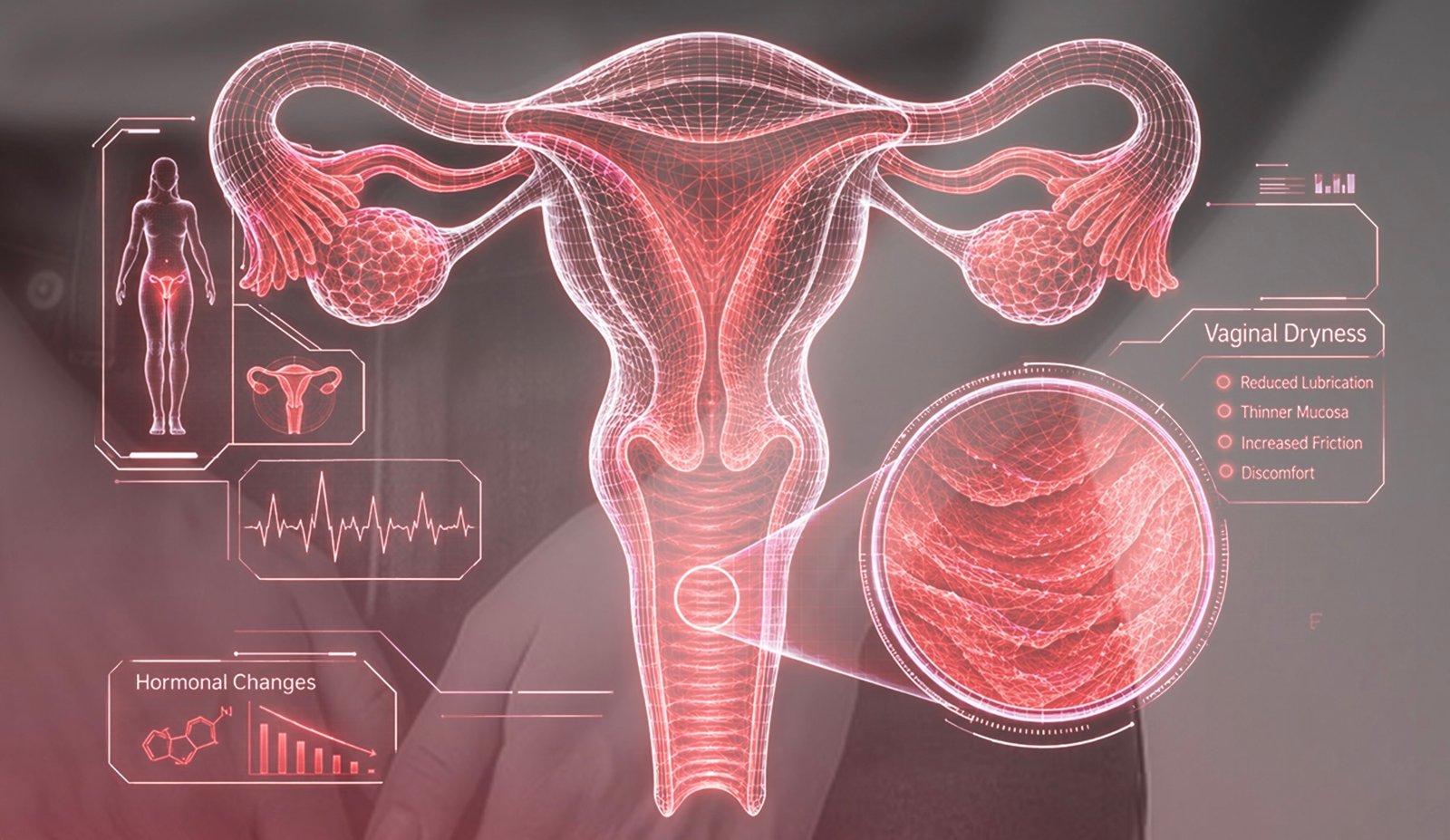
Polycystic ovary syndrome (PCOS) is a hormonal and metabolic condition that can affect menstrual cycles, skin, hair growth, weight, fertility and long-term metabolic health.
If you have PCOS, you may come across terms such as hormone therapy, hormone balancing, HRT or BHRT while researching ways to manage your symptoms. But does every woman with PCOS need hormone replacement therapy? And how do you know which program is right for you?
There is no single HRT or hormone-management program that is suitable for everyone with PCOS.
The right approach depends on your symptoms, medical history, metabolic health, hormone-related concerns, age and whether pregnancy is part of your current or future plans.
At Medi-Gyn, PCOS hormone care begins with an individualized assessment rather than automatically recommending the same treatment to every patient.
Why Does PCOS Need an Individualized Treatment Approach?
PCOS is more complex than simply having “high” or “low” hormones.
The condition can involve irregular ovulation, excess androgen activity, insulin resistance and changes in reproductive hormone patterns. Its symptoms can also vary significantly between individuals.
Common PCOS symptoms and health concerns may include:
- Irregular or absent menstrual periods
- Difficulty with ovulation
- Acne
- Excess facial or body hair
- Scalp hair thinning
- Weight changes
- Insulin resistance
- Fertility difficulties
- Changes in mood and wellbeing
- Increased metabolic risk
One woman may mainly experience irregular periods and acne, while another may be concerned about insulin resistance, weight changes or fertility.
This is why the first step in choosing a hormone program should be identifying which PCOS features are affecting you and what you want treatment to achieve.
1. Start With a Comprehensive PCOS Assessment
Before deciding on HRT, BHRT or any other hormone treatment, you should first have an appropriate medical assessment.
Your healthcare professional may review your:
- Menstrual-cycle history
- Acne or excess hair growth
- Scalp hair changes
- Weight and metabolic concerns
- Fertility goals
- Current medications
- Previous hormone treatment
- Personal and family medical history
- Lifestyle
- Sleep
- Mental wellbeing
Laboratory tests may also be recommended depending on your symptoms and clinical history.
At Medi-Gyn, hormone and metabolic assessment for PCOS may consider markers related to reproductive hormones, androgen activity, thyroid function, blood sugar regulation, insulin and lipid health where clinically appropriate.
However, not every patient needs every available blood test.
Testing should be selected according to your individual symptoms and clinical needs rather than relying on a large panel of tests without a clear medical reason.
2. Identify the PCOS Symptoms You Want to Manage
The best PCOS treatment program depends heavily on your main concerns.
Irregular or Absent Periods
PCOS can cause irregular ovulation, which may lead to infrequent or absent menstrual periods.
For some women, hormonal medication may be recommended to help regulate cycles and provide appropriate protection for the lining of the uterus.
Combined oral contraceptive pills are commonly considered for menstrual irregularity and symptoms associated with excess androgen activity in suitable women who are not trying to become pregnant.
The most appropriate medication depends on individual risks, preferences and medical history.
Acne and Excess Hair Growth
Higher androgen activity can contribute to:
- Facial or body hair growth
- Acne
- Oily skin
- Scalp hair thinning
Hormonal treatment may help manage some androgen-related symptoms.
In selected cases, other medications or dermatological treatments may also be recommended.
Because treatment options can have important precautions and contraindications, especially when pregnancy is possible, these should be prescribed and monitored by a qualified healthcare professional.
Insulin Resistance and Metabolic Health
PCOS is also associated with metabolic concerns in many women.
Insulin resistance may contribute to difficulties with blood sugar regulation and can be associated with increased long-term metabolic risk.
Treatment may therefore involve more than reproductive hormones.
Your management plan may include:
- Nutrition support
- Regular physical activity
- Sustainable weight management where appropriate
- Blood glucose monitoring
- Lipid assessment
- Management of cardiovascular risk factors
- Medication such as metformin when clinically indicated
A hormone-replacement program alone may therefore not address all aspects of PCOS.
3. Understand HRT, BHRT and PCOS Hormone Treatment
One of the most important things to understand is that PCOS does not automatically mean you need hormone replacement therapy.
Traditional hormone replacement therapy is most commonly associated with replacing hormones that are deficient, such as during menopause or in certain medically diagnosed hormone deficiencies.
PCOS is different.
Women with PCOS may experience irregular ovulation, increased androgen activity, insulin resistance or altered reproductive hormone patterns rather than a simple hormone deficiency.
This means PCOS treatment may involve regulating hormone activity rather than simply “replacing” hormones.
What Is BHRT?
BHRT stands for bioidentical hormone replacement therapy.
Bioidentical hormones are chemically identical to hormones produced naturally by the human body.
Whether bioidentical hormones are suitable for someone with PCOS depends on the individual clinical situation.
Rather than asking: “Should I choose HRT or BHRT for PCOS?”
A more useful question is: “Which treatment is appropriate for the specific hormonal and metabolic factors contributing to my symptoms?”
That distinction is important when choosing a PCOS hormone program.
4. Choose a Program That Looks Beyond Hormones
A comprehensive PCOS program should not focus exclusively on estrogen, progesterone or testosterone levels.
PCOS can also involve:
- Insulin resistance
- Blood sugar changes
- Cholesterol abnormalities
- Weight-related concerns
- Sleep problems
- Cardiovascular risk factors
Your clinician may therefore assess metabolic health alongside reproductive and hormonal concerns.
A good treatment program should look at the whole clinical picture, not simply attempt to move laboratory values toward an arbitrary “optimal” range.
5. Look for Lifestyle and Nutrition Support
Lifestyle management is an important part of PCOS care.
However, this does not mean that every woman with PCOS must lose weight or follow a highly restrictive diet.
A suitable lifestyle plan should consider factors such as:
- Nutritional quality
- Physical activity
- Sleep
- Stress
- Metabolic health
- Individual preferences
- Sustainable long-term habits
There is no single diet or exercise program that is ideal for everyone with PCOS.
At Medi-Gyn, hormone-health programs may incorporate lifestyle, nutrition, sleep, stress-management and exercise recommendations alongside medical assessment when appropriate.
The aim should be to create a realistic plan that can be maintained over time.
6. Discuss Your Fertility Plans Before Starting Treatment
One of the most important considerations when choosing a PCOS treatment program is whether you are planning pregnancy.
Some treatments used for:
- Menstrual regulation
- Acne
- Excess hair growth
- Hormonal symptom control
may not be suitable if you are trying to conceive.
If pregnancy is your goal, the treatment plan may instead focus on supporting ovulation and assessing fertility-related factors.
For this reason, tell your clinician about both your current and future fertility plans before starting hormone treatment.
Your goals can significantly change which treatment options are appropriate.
7. Make Sure Your Program Includes Regular Monitoring
PCOS management should not end after the first prescription.
Hormone-related treatments and other medications should be reviewed regularly to understand whether they are helping and whether adjustments are needed.
Follow-up may consider:
- Changes in menstrual cycles
- Improvement in acne or hair-related symptoms
- Side effects
- Changes in metabolic markers
- Weight or body-composition changes where relevant
- Blood-test results when indicated
- Fertility goals
- Overall wellbeing
- Whether the treatment remains appropriate
Treatment may need to change as your health, symptoms or goals change.
A program that includes regular clinical review is therefore generally more appropriate than one that provides medication without ongoing assessment.
8. Ask About Benefits, Risks and Alternative Treatments
No hormone treatment is completely risk-free, and not every PCOS symptom requires hormonal medication.
Before starting treatment, you should understand:
- Why the treatment is being recommended
- Which symptom it is intended to address
- What benefits may reasonably be expected
- Possible side effects
- Important contraindications
- How long treatment may be required
- What monitoring is needed
- Whether non-hormonal alternatives are available
A credible hormone program should involve shared decision-making rather than simply providing a standard package.
9. Avoid Programs That Promise to “Cure” PCOS
PCOS can often be successfully managed, but you should be cautious of programs that make unrealistic promises.
Warning signs may include claims that a treatment can:
- Permanently cure PCOS
- Completely “reset” your hormones
- Guarantee weight loss
- Guarantee pregnancy
- Eliminate insulin resistance with one treatment
- Normalize every hormone to an “ideal” level
- Work equally well for every patient
PCOS management is usually an ongoing process.
The aim is to manage symptoms, address relevant health risks and support your quality of life using a treatment approach suited to your needs.
How to Choose the Best PCOS Hormone Program: A Practical Checklist
Before joining a hormone or HRT program, consider the following questions.
Does the program begin with a medical assessment?
Your symptoms, medical history and relevant investigations should be reviewed before treatment is recommended.
Does it consider metabolic health?
PCOS can involve insulin resistance and metabolic risk as well as reproductive symptoms.
Is the treatment personalized?
Your plan should reflect whether your main priorities are menstrual regulation, acne, hair growth, metabolic health, fertility or another concern.
Does the program discuss alternatives?
Hormone therapy should not automatically be presented as the only solution.
Does it consider fertility?
Your current and future pregnancy plans should influence treatment decisions.
Is follow-up included?
Ongoing monitoring allows your clinician to review your response, side effects and whether your treatment remains suitable.
Are potential risks discussed?
A responsible hormone program should explain both potential benefits and limitations.
PCOS Hormone Care at Medi-Gyn
Medi-Gyn is a Hormone Health and Regenerative Medicine Center in Dubai that provides individualized assessment and hormone-health support.
For patients experiencing possible PCOS symptoms, the approach begins by understanding the hormonal, reproductive and metabolic factors that may be contributing to their concerns.
Depending on your assessment, your management plan may consider:
- Menstrual-cycle regulation
- Hormonal symptoms
- Androgen-related symptoms
- Insulin resistance
- Metabolic health
- Nutrition and lifestyle
- Fertility goals
- Hormone therapy when clinically appropriate
Medi-Gyn also offers PCOS-related hormone and metabolic testing, with investigations selected according to individual clinical needs.
Treatment is not based on a one-size-fits-all protocol.
Instead, the aim is to identify the factors contributing to your symptoms and develop an individualized management strategy.
When Should You Consider a PCOS Hormone Consultation?
Consider speaking with a healthcare professional if you experience persistent symptoms such as:
- Irregular or absent menstrual periods
- Persistent acne
- Excess facial or body hair
- Scalp hair thinning
- Difficulty becoming pregnant
- Unexplained weight changes
- Symptoms of insulin resistance
- Previously diagnosed PCOS with ongoing symptoms
These symptoms do not automatically confirm PCOS.
Other hormonal or medical conditions may produce similar symptoms, which is why appropriate assessment is important.
Frequently Asked Questions About PCOS Hormone Treatment
Not necessarily.
PCOS treatment depends on the symptoms and health concerns being addressed.
Management may involve lifestyle measures, oral contraceptives, insulin-sensitizing medication, fertility treatment, anti-androgen therapy or other approaches.
Hormone replacement therapy may be appropriate in selected situations but is not automatically required for everyone with PCOS.
Bioidentical hormones may be considered in selected patients when clinically appropriate.
However, PCOS treatment should be based on the specific hormonal and metabolic features affecting the individual rather than assuming that bioidentical hormone replacement is required for everyone.
Testing varies according to symptoms and medical history.
A healthcare professional may assess reproductive hormones, androgen-related markers, thyroid function, glucose regulation, lipid health and other parameters where clinically indicated.
There is no single hormone treatment that guarantees weight loss.
Weight and metabolic health in PCOS may be influenced by insulin resistance, nutrition, physical activity, sleep, medications and other health factors.
Management should therefore take a broader approach.
Many symptoms, medical history and previous results can be discussed during an online consultation.
However, your clinician may recommend blood tests, imaging, a physical examination or another in-person assessment depending on your individual situation.
The Takeaway
The best HRT or hormone-management program for PCOS is not necessarily the one that uses the most hormones or includes the largest number of tests.
It is the program that identifies which hormonal, reproductive and metabolic factors are affecting you and selects treatment accordingly.
For one woman, menstrual-cycle regulation may be the main priority. For another, treatment may focus on insulin resistance, acne, excess hair growth, fertility or metabolic health.
A comprehensive PCOS program should combine appropriate medical assessment, individualized testing, evidence-based treatment, lifestyle support and regular follow-up.
At Medi-Gyn, PCOS hormone care is tailored according to your symptoms, medical history, metabolic health and personal goals.
If you are experiencing irregular periods, acne, hair changes, weight concerns, fertility difficulties or other possible PCOS symptoms, a hormone-health consultation can help determine what may be contributing and which treatment options may be appropriate.
Book a PCOS hormone-health consultation with Medi-Gyn to discuss your symptoms and personalized treatment options.
Medical Reviewer
Medically Reviewed by Dr. Valentina Ghorashi, MD
Board-Certified Gynaecologist | Hormone Therapy, Sexual Health & Sexology
Medi-Gyn Hormone Health Center
Last medically reviewed: 12 November 2026
Medical disclaimer: This article provides general educational information and does not replace individualized medical advice, diagnosis, or treatment.

