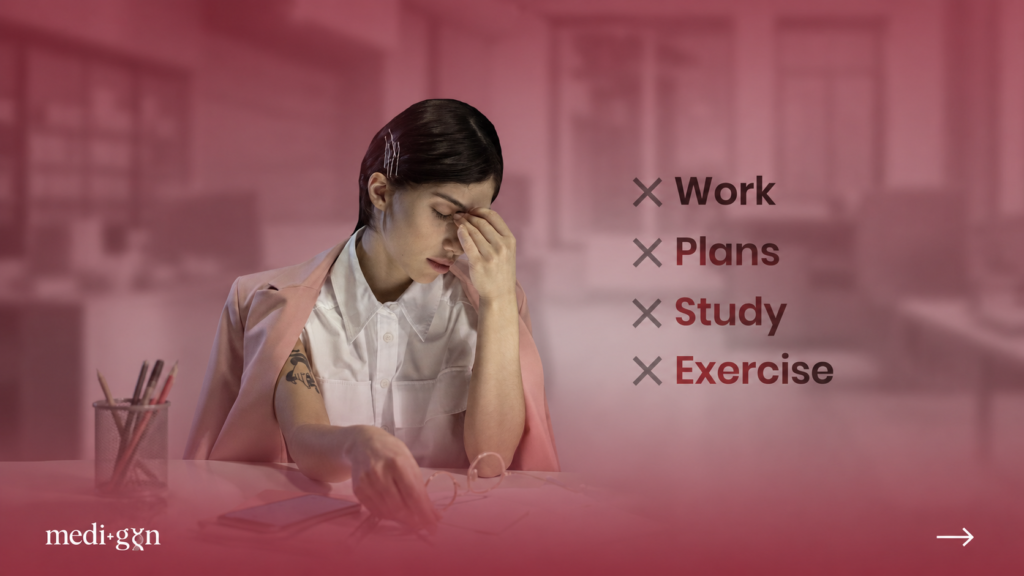






























Feeling tired all the time? Struggling with poor sleep, unexplained mood changes, or a reduced sex drive?
These symptoms can have many possible causes, but hormonal changes may sometimes play a role.
Low hormone levels occur when the body produces insufficient amounts of a particular hormone for its needs. Because hormones regulate many important processes, deficiencies can affect energy, metabolism, reproductive health, muscle strength, and bone health.
However, experiencing fatigue or mood changes does not automatically mean you have a hormone imbalance.
Poor sleep, stress, nutritional deficiencies, medications, and other medical conditions can cause similar symptoms.
The important question is whether your symptoms are persistent, affecting your quality of life, or associated with a medical condition that requires attention.
Some hormone deficiencies cause noticeable symptoms, while others can affect long-term health without obvious early warning signs.
Understanding the possible effects of low hormone levels can help you recognize when a medical assessment may be appropriate.
Concerned about your hormone health? Book a personalized hormone consultation with Medi-Gyn to discuss your symptoms and available assessment options.
What Happens When Hormone Levels Are Low?
Hormones are chemical messengers produced by glands and organs throughout the body.
They help regulate essential functions, including:
- Metabolism and energy use
- Growth and muscle maintenance
- Reproductive and sexual health
- Bone strength
- Sleep and mood
- Blood glucose regulation
- Stress responses
When hormone production becomes insufficient, these processes may be affected.
However, the consequences depend on which hormone is deficient.
For example, low thyroid hormone levels can slow metabolism, while low estrogen levels after menopause may contribute to hot flushes, vaginal dryness, and accelerated bone loss.
Similarly, clinically significant testosterone deficiency can affect sexual desire, muscle mass, and bone health.
Not all hormone deficiencies cause the same symptoms, and not every age-related hormonal change represents a medical disorder.
This distinction is important when deciding whether hormone testing or treatment is necessary.
What Are the Early Signs of Low Hormone Levels?
The early symptoms of hormone deficiency vary depending on the hormone involved.
Some commonly reported symptoms include:
- Persistent fatigue or reduced energy
- Sleep disturbances
- Changes in mood or motivation
- Reduced sexual desire
- Menstrual irregularities
- Hot flushes or night sweats
- Changes in body composition
- Reduced muscle strength
- Difficulty concentrating
- Unexplained changes in weight
These symptoms are not specific to hormone deficiency.
For example, fatigue may be associated with an underactive thyroid, but it can also result from anemia, depression, inadequate sleep, or other health conditions.
A proper medical assessment helps identify whether hormones are contributing to the symptoms.
What Causes Low Hormone Levels in Women and Men?
Hormone levels can change for several reasons.
Some changes are part of normal life stages, while others result from medical conditions.
Age-Related Hormonal Changes
Certain hormone levels change with age.
Women experience substantial changes in estrogen and progesterone during perimenopause and menopause.
Men may experience a gradual decline in testosterone levels, although not every man develops clinically significant testosterone deficiency.
Menopause and Perimenopause
During perimenopause, estrogen levels fluctuate and menstrual cycles may become irregular.
After menopause, estrogen levels remain substantially lower than during the reproductive years.
These changes can contribute to hot flushes, vaginal symptoms, and bone loss.
Thyroid Disorders
An underactive thyroid, also known as hypothyroidism, occurs when the thyroid gland does not produce enough thyroid hormone.
This can affect metabolism, energy levels, cholesterol, and other bodily functions.
Medical Conditions and Medications
Certain pituitary or glandular disorders, chronic illnesses, and medications can interfere with hormone production.
Examples include some treatments that suppress sex hormones and medications that affect testosterone production.
Other Contributing Factors
Body weight, sleep disorders, nutritional status, and overall metabolic health may influence certain hormone levels.
However, these factors do not explain every hormonal deficiency.
6 Health Risks Associated With Low Hormone Levels
Low hormone levels can affect different aspects of health.
Some effects develop gradually and may not be immediately noticeable.
The following six areas are particularly important.
1. Bone Loss and Osteoporosis
Bone health is strongly influenced by sex hormones, particularly estrogen and testosterone.
Estrogen helps maintain bone density by regulating the balance between bone formation and breakdown.
Following menopause, lower estrogen levels can accelerate bone loss.
Over time, this may increase the risk of osteoporosis and fractures.
Men with clinically significant testosterone deficiency may also experience reduced bone density.
Possible consequences include:
- Gradual loss of bone density
- Increased risk of osteoporosis
- Greater susceptibility to fractures
- Reduced skeletal strength
Osteoporosis may develop without noticeable symptoms until a fracture occurs.
For individuals with relevant risk factors, a healthcare professional may recommend bone density testing.
Medical reference: NHS – Causes of Osteoporosis
2. Changes in Metabolism and Cardiovascular Health
Hormones play an important role in regulating metabolism.
Thyroid hormones, for example, help control how the body uses energy.
When thyroid hormone levels are insufficient, metabolic processes can slow down.
Possible effects of hypothyroidism include:
- Persistent fatigue
- Weight gain
- Increased sensitivity to cold
- Constipation
- Changes in cholesterol levels
Untreated hypothyroidism can contribute to elevated cholesterol and other cardiovascular concerns.
However, cardiovascular effects vary considerably between different hormone deficiencies.
Low estrogen, low testosterone, and low thyroid hormone should not be treated as interchangeable conditions.
Medical reference: Harvard Health – Thyroid Hormone and Heart Health
3. Reduced Muscle Mass and Physical Strength
Testosterone contributes to muscle maintenance and physical function.
Men with clinically significant testosterone deficiency may experience reduced muscle mass and strength.
However, muscle loss can also occur because of aging, reduced physical activity, inadequate nutrition, or chronic illness.
Possible changes include:
- Reduced muscle mass
- Lower physical strength
- Difficulty maintaining previous exercise performance
- Changes in body composition
A medical assessment can help determine whether testosterone deficiency is contributing.
Medical reference: Endocrine Society – Testosterone Therapy for Hypogonadism
4. Persistent Fatigue, Sleep Problems, and Mood Changes
Hormonal changes may contribute to fatigue, sleep disturbances, and mood-related symptoms.
For example, hypothyroidism commonly causes tiredness and reduced energy.
During perimenopause and menopause, hot flushes and night sweats can disrupt sleep.
Poor sleep may then contribute to irritability, difficulty concentrating, and reduced daytime functioning.
Symptoms may include:
- Persistent tiredness
- Interrupted sleep
- Reduced motivation
- Irritability
- Changes in mood
- Difficulty concentrating
However, these symptoms may also be associated with anxiety, depression, sleep disorders, or other medical conditions.
Medical reference: NHS – Underactive Thyroid
5. Reduced Libido and Sexual Health Problems
Sex hormones influence sexual desire and reproductive health.
In men, testosterone deficiency can contribute to reduced libido and fewer spontaneous erections.
In women, lower estrogen levels associated with menopause can cause vaginal dryness, irritation, and discomfort during sexual activity.
Possible symptoms include:
- Reduced sexual desire
- Vaginal dryness
- Discomfort during intimacy
- Changes in erectile function
- Reduced sexual satisfaction
Sexual health concerns may also result from stress, medications, relationship factors, or other medical conditions.
Treatment should therefore focus on identifying the underlying cause rather than assuming hormones are always responsible.
Medical reference: NHS – Menopause and Perimenopause Symptoms
6. Brain Fog and Difficulty Concentrating
Some people experience forgetfulness, reduced concentration, or a feeling of mental cloudiness during periods of hormonal change.
These symptoms are sometimes described as brain fog.
Women may report cognitive difficulties during perimenopause, particularly when sleep disturbances or mood symptoms are present.
Thyroid disorders can also affect concentration and cognitive functioning.
Possible experiences include:
- Difficulty concentrating
- Forgetfulness
- Reduced mental clarity
- Difficulty maintaining attention
- Feeling mentally fatigued
However, brain fog is not a specific sign of hormone deficiency.
Persistent or progressive memory problems should be medically evaluated to identify possible causes.
Which Hormones Can Affect Your Health When Levels Are Low?
Different hormone deficiencies produce different effects.
| Hormone | Possible effects of deficiency |
|---|---|
| Estrogen | Hot flushes, vaginal dryness, accelerated bone loss |
| Testosterone | Reduced sexual desire, reduced muscle mass, lower bone density in some men |
| Thyroid hormones | Fatigue, cold intolerance, constipation, weight gain |
| Cortisol | Fatigue, low blood pressure, weight loss, potentially serious adrenal insufficiency |
| Insulin | Elevated blood glucose and, in severe deficiency, risk of diabetic ketoacidosis |
Not all of these conditions are treated using the same type of hormone therapy.
For example, hypothyroidism is treated with appropriate thyroid hormone replacement, while insulin deficiency requires diabetes-specific management.
Bioidentical menopausal hormone therapy is not a treatment for every type of hormone deficiency.
Can Low Hormone Levels Affect Long-Term Health?
Yes, some untreated hormone deficiencies can affect long-term health.
The consequences depend on the specific condition, its severity, and how long it remains untreated.
For example:
Low estrogen after menopause can contribute to accelerated bone loss.
Clinically significant testosterone deficiency may affect sexual function, body composition, and bone density.
Untreated hypothyroidism can affect cholesterol levels, metabolism, and cardiovascular health.
Adrenal insufficiency can become life-threatening without appropriate treatment.
However, not every hormonal fluctuation requires medication.
Normal age-related changes should be distinguished from clinically significant deficiencies.
How Are Low Hormone Levels Diagnosed?
Diagnosing hormone deficiency involves more than identifying a symptom or ordering a general hormone panel.
A healthcare professional may begin by reviewing:
- Current symptoms and their duration
- Medical and family history
- Medications and supplements
- Menstrual or reproductive history
- Sleep patterns
- Weight and metabolic health
- Relevant medical conditions
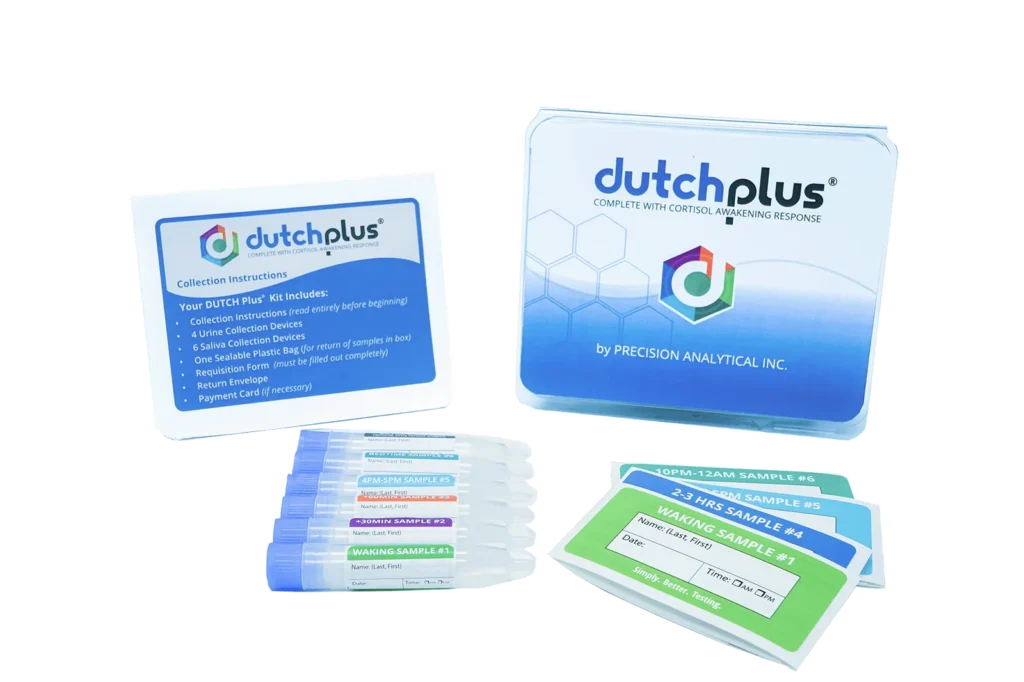
What Blood Tests Check Hormone Levels?
Testing depends on the suspected condition.
Possible investigations include:
Thyroid function tests: Commonly TSH and free T4 when thyroid disease is suspected.
Testosterone testing: Morning testosterone measurements, usually repeated when an initial result is low and symptoms suggest deficiency.
Reproductive hormone testing: Selected tests such as FSH, LH, estradiol, or prolactin when clinically indicated.
Cortisol testing: Specific investigations when adrenal insufficiency is suspected.
Not everyone needs every test.
For otherwise healthy women aged 45 or older, perimenopause and menopause can often be diagnosed based on symptoms and menstrual history without routine sex-hormone blood testing.
Hormone levels can fluctuate, so a single result does not always provide a complete picture.
The most appropriate testing strategy depends on symptoms, age, medical history, and the condition being investigated.
How Can Low Hormone Levels Be Managed?
Managing low hormone levels begins with identifying the underlying cause.
Treatment is not the same for everyone.
1. Treating Underlying Medical Conditions
If symptoms are caused by a thyroid disorder, pituitary condition, medication effect, or another illness, treatment should address that specific problem.
2. Lifestyle and General Health Measures
Depending on the individual, supportive measures may include:
- Regular physical activity
- Adequate sleep
- Balanced nutrition
- Weight management
- Stress management
- Appropriate treatment of chronic conditions
These measures support overall health but do not replace necessary medical treatment for established hormone deficiencies.
3. Hormone Replacement Therapy
Hormone replacement therapy may be recommended for certain clinically established hormone deficiencies.
For example, menopausal hormone therapy may help women with troublesome hot flushes and other menopause-related symptoms.
Testosterone replacement therapy may be appropriate for selected men with confirmed testosterone deficiency.
The decision depends on the specific hormone involved, clinical indications, benefits, risks, and individual circumstances.
Is Bioidentical Hormone Replacement Therapy Safe?
Bioidentical hormone replacement therapy, or BHRT, refers to hormone preparations containing molecules chemically identical to hormones produced by the human body.
Some approved menopausal hormone therapies contain body-identical estradiol or micronized progesterone.
However, approved hormone products should be distinguished from custom-compounded bioidentical preparations.
Custom-compounded BHRT has not been shown to be safer or more effective than appropriately regulated hormone treatments.
Potential concerns include variability in dose, product quality, and limited long-term safety evidence.
The fact that a hormone is described as natural or bioidentical does not automatically mean it is risk-free.
Women considering BHRT should discuss:
- Whether hormone therapy is clinically indicated
- The specific hormone preparation being considered
- Expected benefits
- Potential risks and side effects
- Available alternatives
- Monitoring and follow-up requirements
An individualized medical assessment is essential before starting treatment.
Hormone Health Assessment and BHRT at Medi-Gyn
Persistent fatigue, poor sleep, mood changes, or sexual health concerns can affect everyday wellbeing.
However, these symptoms do not always indicate hormone deficiency.
At Medi-Gyn, hormone health consultations focus on understanding symptoms, medical history, and relevant health factors before discussing treatment options.
For women experiencing hormone-related changes, Medi-Gyn offers services including:
Hormone Balancing for BHRT
Medi-Gyn’s Hormone Balancing for BHRT program focuses on evaluating hormone-related concerns and discussing individualized treatment options.
For women experiencing symptoms during perimenopause or menopause, hormone therapy may be considered when clinically appropriate.
Treatment decisions should account for medical history, potential contraindications, and individual preferences.
Hormone Balancing for BHRT Plus
The Hormone Balancing for BHRT Plus program takes a broader approach that also considers gastrointestinal health and related wellbeing concerns.
The relationship between gut health and hormone-related symptoms is complex, and not every patient requires microbiome testing or treatment.
Any additional investigations or interventions should be based on individual clinical needs and available evidence.
Personalized Hormone Care
The goal of a hormone consultation is not simply to prescribe hormones.
It is to identify whether symptoms are hormone-related, investigate possible causes, and discuss suitable management options.
Where appropriate, this may involve lifestyle recommendations, additional testing, treatment of underlying conditions, or hormone therapy.
Medi-Gyn offers online consultation options for patients seeking guidance about hormone-related concerns. Any necessary examinations, investigations, or prescriptions must follow applicable local medical requirements.
Explore Medi-Gyn’s Hormone Balancing Consultation to discuss your symptoms and available treatment options.
When Should You See a Hormone Specialist?
Consider seeking medical advice if you experience persistent symptoms such as:
- Unexplained fatigue
- Significant changes in menstrual patterns
- Troublesome hot flushes or night sweats
- Persistent sexual health concerns
- Unexplained changes in weight
- Reduced strength or muscle mass
- Ongoing sleep disturbances
- Symptoms suggesting thyroid or another endocrine disorder
Symptoms that persist for weeks or months, worsen, or interfere with everyday activities deserve attention.
Some conditions, such as suspected adrenal crisis or diabetic ketoacidosis, require urgent medical care rather than a routine hormone consultation.
Early assessment can help identify the cause and determine whether treatment is needed.
Frequently Asked Questions About Low Hormone Levels
Possible symptoms include fatigue, changes in sleep, reduced libido, menstrual irregularities, mood changes, and changes in physical strength. However, symptoms depend on the hormone involved and can have non-hormonal causes.
Possible causes include menopause, thyroid disorders, pituitary or reproductive gland conditions, certain medications, and other medical illnesses. Some hormone changes occur naturally with age.
Certain hormonal conditions, particularly hypothyroidism, may contribute to weight gain. However, weight changes can also be influenced by nutrition, activity levels, sleep, medications, and other health factors.
Yes, some hormone deficiencies can contribute to fatigue. However, persistent tiredness can also result from anemia, sleep disorders, mental health conditions, and other illnesses.
Yes. Estrogen helps maintain bone density, and declining estrogen levels after menopause can accelerate bone loss and increase the risk of osteoporosis.
Clinically significant testosterone deficiency may contribute to reduced muscle mass and strength in some men. Aging, inactivity, and other medical conditions may also contribute.
Hormonal changes may contribute to mood symptoms in some individuals, but anxiety and depression have multiple possible causes. Persistent symptoms should receive appropriate medical or mental health assessment.
Doctors review symptoms, medical history, and examination findings. Targeted blood tests may be recommended depending on the suspected condition. A single hormone result is not always sufficient for diagnosis.
Some hormone changes associated with weight, illness, medications, or other reversible factors may improve when the underlying cause is addressed. Other deficiencies require specific medical treatment.
Certain approved body-identical hormone products can be appropriate for selected patients. However, compounded BHRT has not been proven safer than regulated hormone therapy. Risks and benefits should be assessed individually.
Hormone replacement therapy may be considered when a clinically appropriate indication exists, such as troublesome menopause symptoms or certain confirmed hormone deficiencies. The treatment depends on the hormone involved and individual risk factors.
Women seeking hormone-related care can explore Medi-Gyn’s online consultation and BHRT services. Patients should confirm consultation availability, practitioner licensing, and whether any required examinations or treatment can be arranged in their location.
Final Thoughts: Why Hormone Health Matters
Hormones influence many important aspects of health, from metabolism and energy to sexual wellbeing and bone strength.
When hormone levels become insufficient, the effects can vary significantly depending on the hormone involved.
Some deficiencies produce noticeable symptoms, while others can affect long-term health without obvious early warning signs.
However, fatigue, mood changes, or poor sleep do not automatically mean that hormone treatment is needed.
The most important step is identifying the underlying cause through appropriate medical assessment.
If you are experiencing persistent symptoms or have concerns about hormonal changes, contact Medi-Gyn to learn more about its hormone health consultation services.
Medical Reviewer
Medically Reviewed by Dr. Valentina Ghorashi, MD
Board-Certified Gynaecologist | Hormone Therapy Specialist
Medi-Gyn Hormone Health Center
Last medically reviewed: 26 October 2026
Medical disclaimer: This article provides general educational information and does not replace individualized medical advice, diagnosis, or treatment.